In the ever-evolving digital landscape, content creators are constantly seeking efficient ways to maximize their reach and breathe new life into their existing work. One of the most powerful applications of artificial intelligence is simplifying the process of content repurposing. This article explores a specific, game-changing tool: the blog post to YouTube video script generator, which allows creators to scale their content across platforms seamlessly and connect with new audiences.
The Content Repurposing Challenge
For many bloggers and content creators, a significant archive of written work represents both an asset and a challenge. As highlighted in the transcript, having hundreds of blog posts from over a decade of work is a common scenario. The primary hurdle is that this valuable written content often doesn’t have a corresponding video presence on platforms like YouTube. This creates a missed opportunity for several reasons.
Firstly, video content is a dominant force in digital consumption, offering a different and often more engaging way to connect with an audience. Secondly, embedding a relevant video back into the original blog post can significantly enhance the user experience, increasing dwell time and providing alternative content formats. Most importantly, creating videos for existing posts opens the door to discovering a completely new audience on YouTube, a platform with billions of users who might never encounter your blog through traditional search.

The traditional method of manually scripting a video for each post is time-consuming and can be a major bottleneck. This is where AI steps in to transform a daunting task into a manageable, scalable workflow.
Introducing the AI-Powered Script Generator
The solution lies in a specialized tool designed to bridge the gap between the written word and video production. The “blog post to YouTube video script generator” is built to tackle this exact problem. The process, as described, is remarkably straightforward and efficient, designed for speed and scale.
The workflow can be broken down into a few simple steps:
- Select Your Source Material: Identify a blog post from your archive that hasn’t been turned into a video yet.
- Grab the URL: Copy the link to that specific blog post.
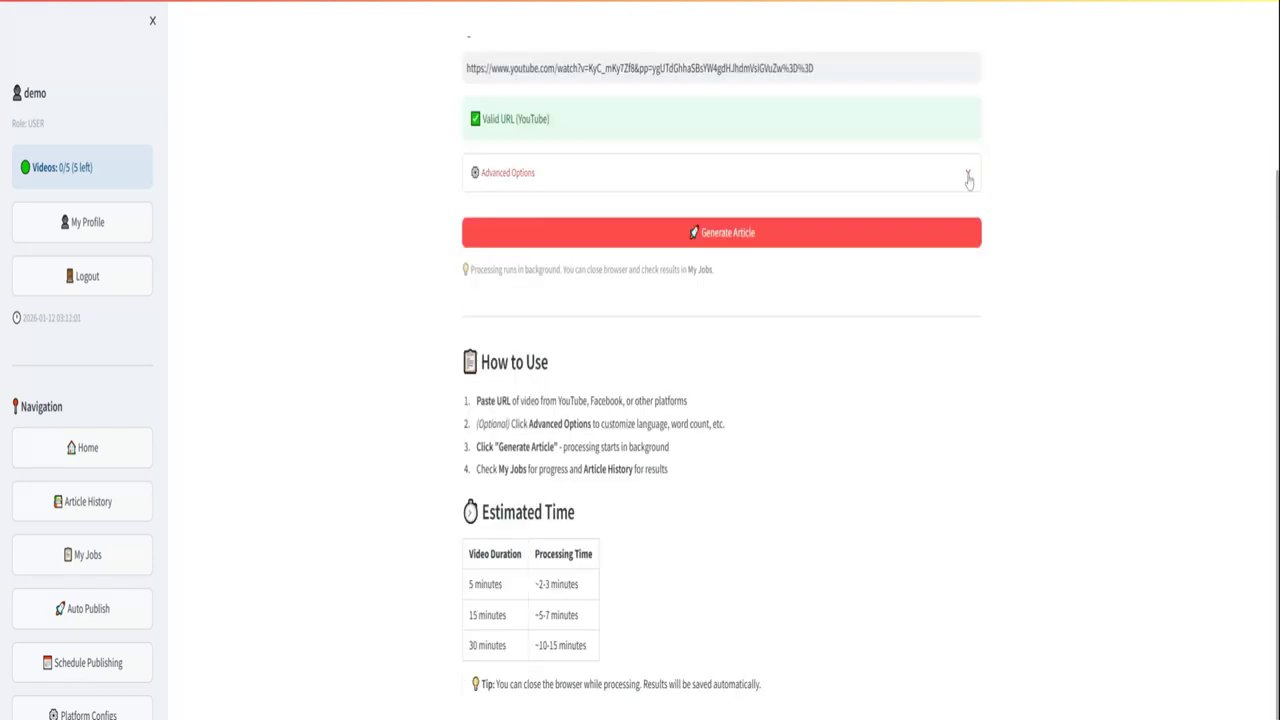
- Paste and Process: Navigate to the script generator tool and paste the URL into the designated field.
- Generate the Script: Initiate the process. The AI analyzes the article’s content, structure, and key points.
In a matter of seconds—approximately 30, as noted—the tool produces a structured video script. This script is not a random collection of sentences; it is created based on the core points and logical flow of the original article. The result is a foundational document that allows a creator to “better, faster, more easily create a YouTube video to go along with this post.”
This automation removes the blank-page syndrome and the heavy lifting of initial script structuring. It provides a clear starting point, outlining what to talk about, in what order, ensuring the video remains true to the valuable information already contained in the blog post.
The Human Touch: Editing and Refining the AI Output
A critical insight from the content is the balanced perspective on AI assistance. The tool provides incredible speed and a solid foundation, but it’s never going to be perfect. The generated script is a starting point, not a final product to be read verbatim. The creator’s unique voice, style, and expertise are what will make the final video authentic and engaging.
The transcript offers a perfect example of this necessary human refinement. The AI might generate a generic opener like “hey there fellow bloggers,” which may not fit your personal brand or speaking style. Your job is to “tune this up for your voice, your style, of course.” The AI output should be treated as a guideline or a detailed outline.
So, how should you use this guideline? The process involves reviewing and editing the script to ensure it flows naturally when spoken. You might:
– Rearrange sections for better narrative pacing.
– Add personal anecdotes or recent examples.
– Simplify complex jargon into more conversational language.
– Inject your personality and customary phrases.
The provided example outlines a logical script structure derived from a post about keyword research: start by explaining what it is and why it’s important, then dive into the practical methods, and wrap up by discussing crucial concepts like aligning with searcher intent. This structure ensures the video is informative and provides a complete journey for the viewer, just as the blog post does for the reader.
Strategic Benefits and Workflow Integration
Integrating this AI tool into your content strategy offers profound benefits beyond just saving time. It fundamentally changes how you can leverage your intellectual property.
Maximizing Existing Assets: This approach allows you to systematically mine your blog’s archive for video topics. Every well-performing or evergreen article becomes a candidate for a new video, effectively doubling or tripling the content’s lifespan and utility.
Creating a Content Ecosystem: By creating a video from a blog post and then embedding that video back into the original article, you create a richer, multi-format experience for your website visitors. This can reduce bounce rates and increase engagement. Simultaneously, you are publishing native content on YouTube, complete with its own SEO (title, description, tags), to attract that platform’s vast audience.
Lowering the Barrier to Video: For writers who may be hesitant about starting on YouTube, this tool is an ideal gateway. It mitigates the biggest initial hurdle—figuring out what to say. As stated, it’s a “great tool you can use to help speed up your workflows, especially if you have a lot of written content, and you want to try out what making some videos is like.”
AI acts as the catalyst that makes this cross-platform journey seamless. It doesn’t replace creativity; it accelerates the logistical part of the process, freeing you to focus on delivery, presentation, and connection with your audience. The ultimate goal is repurposing what you’ve already created into new formats that serve both your existing community and help you discover new followers.
Conclusion
The journey from blogger to multi-platform content creator no longer needs to be overwhelming. The AI-powered blog post to YouTube script generator exemplifies how technology can handle the heavy lifting of content adaptation, turning a time-intensive process into a scalable operation. The key takeaways are clear: use AI to generate a foundational script at remarkable speed, always apply your unique human touch to refine and personalize the output, and strategically use the resulting videos to enhance your blog and grow your audience on YouTube.
This tool is more than just a convenience; it’s a strategic asset for anyone looking to breathe new life into their existing content library. By embracing this approach, you can ensure that your valuable ideas reach their fullest potential, engaging audiences in both the written and visual spaces they prefer. Start with one post, follow the simple process, and unlock a new chapter of content creation from the work you’ve already done.